
Possible Directions
A gathering place for robotics builders
A home for the builders, projects and conversations you bring together in robotics.
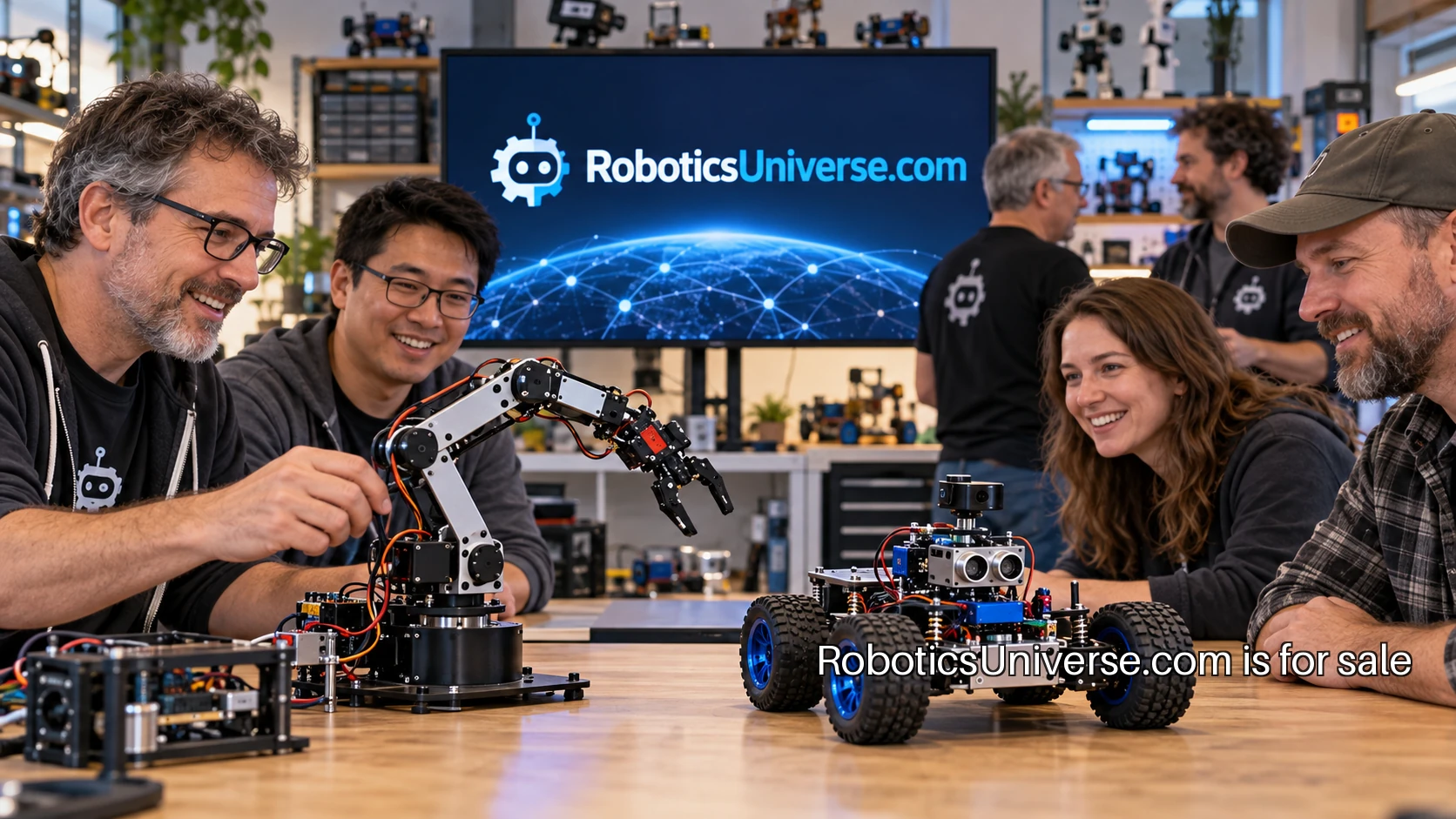
A robotics community can begin around a small table. One person shows a machine that works, another shows a problem they have not solved, and a third has tried a useful approach. The project gives the conversation a shared object. Under RoboticsUniverse.com, a founder could turn that exchange into a recurring membership experience with clear formats for demonstrations, feedback and project records.
The first group needs a common reason to meet. Adult builders working on small mobile robots would have enough overlap to compare sensors, software setups and test spaces. That is a workable opening audience for a community whose name has room for other kinds of robotics later. The founder can begin with a defined circle and a repeatable gathering.
Give the meeting a shape
A first session could feature four short project demonstrations followed by focused questions. Each builder supplies the same brief in advance: the task, the current state, the part they want feedback on and the equipment involved. That makes preparation easier for the host and gives other members a useful way into an unfamiliar project.
Keep demonstration time separate from feedback time. A builder should be able to show the result before the discussion turns to how it might be improved. Then let the presenter choose one question for the group. A narrow question about sensor placement or an intermittent connection is more likely to produce a practical answer than a request for general thoughts about the whole robot.
Make room for work in progress
Finished projects are enjoyable to watch, but unfinished work gives a community its ongoing purpose. A regular troubleshooting session can invite two members to bring a specific problem and a record of what they have tried. The host helps keep the discussion attached to observations, with suggestions recorded as tests rather than verdicts about the builder’s ability.
A useful feedback format asks members to separate three things: what they saw, what they infer and what they would test next. If a robot stops near a dark patch on the floor, the observation is the stop. A sensor interpretation is a possible explanation. Moving the patch or recording the signal is a proposed test. That distinction keeps the conversation constructive and gives the presenter something to do afterward.
Keep a project record people can follow
Each project can have a simple page with its goal, current photograph, parts overview, software versions and latest test. The record should make the next update easy: what changed, why it changed and what happened during the next run. A small number of consistent fields will often serve members better than a complicated profile system.
Documentation can point outward when an existing source explains the underlying tool. The official ROS 2 tutorials offer a common reference for members working with that software. Arduino’s built-in examples provide small starting exercises for builders using microcontrollers. A community host can link those references inside a discussion and keep the member’s project page focused on the choices specific to that build.
Moderation is part of the experience
A community needs understandable boundaries before it needs a long list of features. Set rules for respectful feedback, promotion, sharing others’ work and handling information a member did not intend to publish. Give members a clear way to contact the host about a problem. Decide who can remove a post or pause a discussion, and make that responsibility visible.
At an in-person session, the host should review proposed demonstrations and arrange the space for the actual equipment. Members need to know who is operating each device and how a demonstration will be stopped. For an online session, ask presenters to prepare a recorded example alongside the live view so the discussion can continue if a connection or setup fails.
Membership should fund a recurring job
A paid membership needs something dependable to return to. It might offer a monthly demonstration night, a weekly small-group work session and a maintained project archive. Describe the schedule and the host’s role plainly. A founder can test that service with one short cohort before building a larger subscription product.
The early workload includes preparing presenters, following up on open questions, welcoming new members and turning discussions into useful records. Those tasks are part of the product. A forum alone does not organize them. A small community with consistent hosting can offer a more concrete reason to participate than a large empty set of channels.
Measure useful participation
Attendance counts are a beginning. Better questions include how many presenters returned with a second update, which questions received a testable suggestion and whether new members could find a relevant project. After each session, ask for one useful observation and one change to the format. Keep the questions short enough that people answer while the meeting is still fresh.
A founder can use those responses to choose the next session. If several builders need help making test logs, host a documentation clinic. If a group is approaching its first public demonstration, run a rehearsal night. The programme grows from the work members are already doing rather than from a calendar filled far in advance.
Invite the first project circle
A founder could find the opening group through public robotics project discussions and adult makerspace calendars. Look for authors already documenting a working mobile robot, then ask the relevant host or moderator how to invite them without disrupting that group. The invitation could describe one demonstration session with four short presenter slots, a shared project brief and a focused feedback question for each builder. An opt-in response would let each author choose a presenter place or an audience seat. After the session, the host could invite participants to the next date and ask which other builder’s work would make a useful addition.
A name for the connections that follow
The first version could be an invitation page, a small project archive and one hosted session. The next step is to invite a handful of builders with related projects and give each a clear demonstration slot. A founder can learn a great deal from how that first group uses the time.
RoboticsUniverse.com gives the gathering an identity that can stay with the archive, the next cohort and a future event. A focused project group can develop into a wider network while keeping the address attached to its early work. The founder gets a clear robotics name for the people and projects they bring together, starting with the first useful conversation.
A bigger world ahead